3 languages
Spanish, English and Portuguese, switchable at any time.
A scientific expedition through your dream world
Write down each dream as soon as you wake, name who shows up and trace the links between entries. Over time your journal becomes an atlas: world map, link graph and logbook of your nights.
3 languages
Spanish, English and Portuguese, switchable at any time.
World map
Every dream with a country is drawn on a real atlas, country by country.
Link graph
Dreams, people and countries connected in a single explorable network.
Date, place, country and narrative of the dream, from your phone or computer, while the memory is still fresh.
Mark the people who appear and mention them with @ inside the narrative: each person gets linked to their dream.
Link dreams to each other and to people and countries; the atlas and the graph draw themselves from what you log.
Record the place and country of each dream and watch your personal map take shape: the places you visit most at night, country by country, with dates and memories neatly filed.
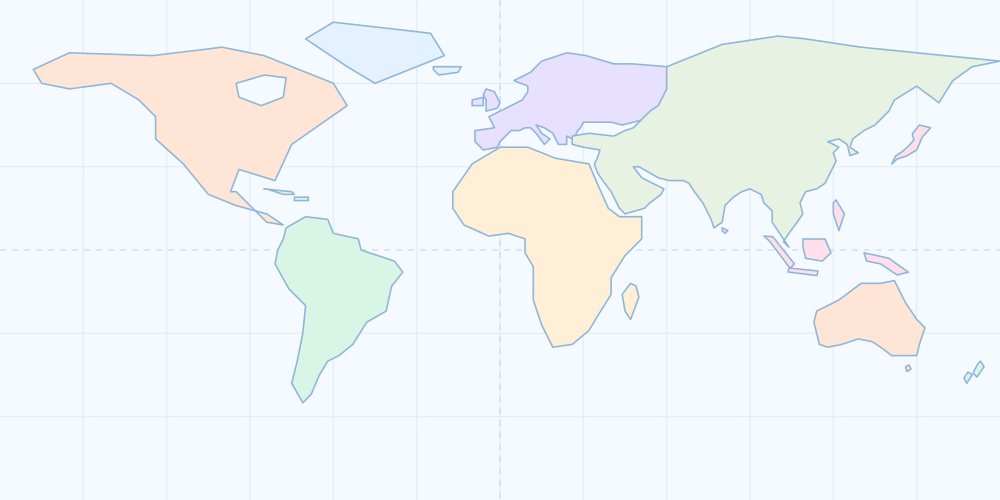
Illustrative data · not real metrics
What sleep science knows so far, in short sentences.
20-25% of adult sleep is REM, the phase where we dream the most.
NCBI StatPearlsSleep moves through cycles of an hour and a half to two, with several REM passes per night.
Sleep FoundationMost dreams are lost shortly after waking, unless you write them down.
NCBI StatPearlsDream content is predominantly visual, with sensations and emotions.
Sleep FoundationREM atonia stops us from acting out our dreams and protects our rest.
NCBI StatPearlsA minority report colourless dreams; the rest dream in colour or do not notice.
Sleep FoundationThe previous days show up in dreams: the so-called "day residue".
Harvard HealthREM phases lengthen in the second half of the night, so early-morning dreams last longer.
NCBI StatPearlsEvery person, every country and every dream you connect to another becomes a node. The result is the network of your dreaming mind, with dreams, people and countries on a single canvas.
Your data is yours: secure sessions, no ads, no data selling. You can download everything as JSON or delete your account whenever you want.
Every dream you save is checked against a dictionary of symbols and gets a possible reading, no diagnosis or promises: an idea to keep thinking about your dream.
Create a free account and log your first dream as soon as you wake up. Ten seconds each morning are enough to build your atlas.
Create my free accountEvery dream connects with the people in it and with the place it happened: people, countries and entries in a single web. Create your account and watch yours take shape.
Illustrative data · not real metrics
Mention any deity with @ inside your entry, just like a person. It shows up in your Atlas alongside your dreams, but never in your family tree: deities are universal, not part of your family.
+60 deities catalogued from 23 different traditions and religions
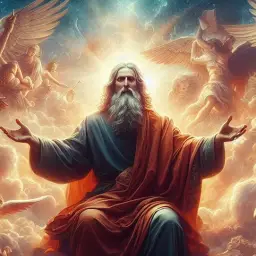
God Christianity, Judaism and Islam (monotheism)
Supreme creator being who sustains the universe in the three major Abrahamic religions.
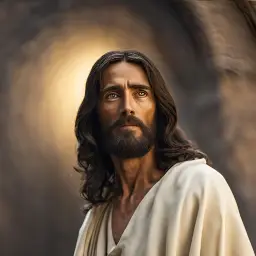
Jesus Christianity
Central figure of Christianity: for believers, the incarnate Son of God.
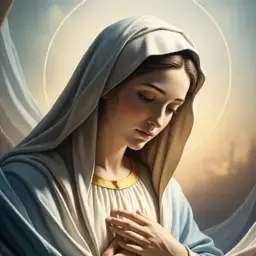
Virgin Mary Christianity (Catholicism and Orthodoxy)
Mother of Jesus, deeply venerated in Catholicism and Christian Orthodoxy.
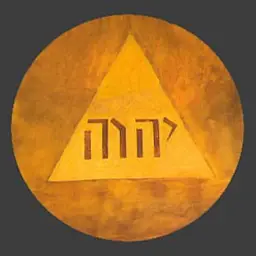
Yahweh (YHWH) Judaism
Sacred name of God in the Jewish tradition, revealed to Moses at Sinai.
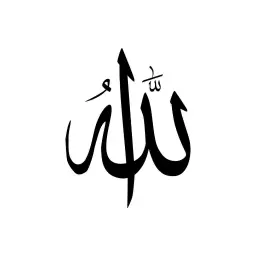
Allah Islam
Name of God in Islam: one, eternal and without equal according to the Quran.
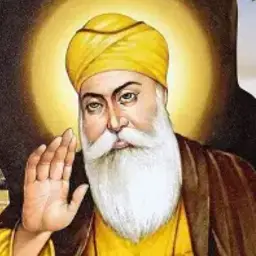
Waheguru Sikhism
"The Wonderful Lord": the name Sikhs use to refer to God.
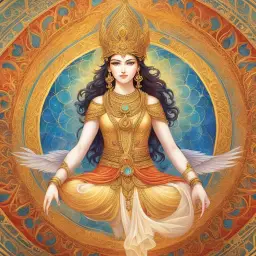
Ahura Mazda Zoroastrianism
Supreme god of Zoroastrianism, embodiment of wisdom, light and order.
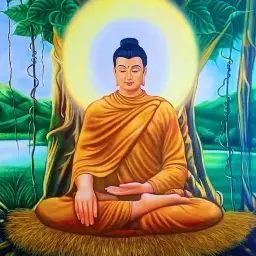
Buddha Buddhism
Siddhartha Gautama, "the Enlightened One", founder of Buddhism.
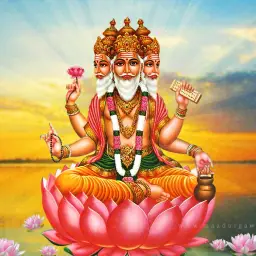
Brahma Hinduism
Creator god in the Hindu Trimurti, alongside Vishnu and Shiva.
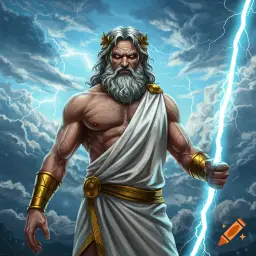
Zeus Greek mythology
King of the Olympian gods, god of the sky, thunder and justice.
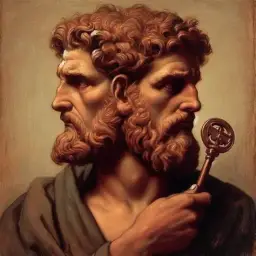
Janus Roman mythology
God of beginnings, doorways and transitions, depicted with two faces.
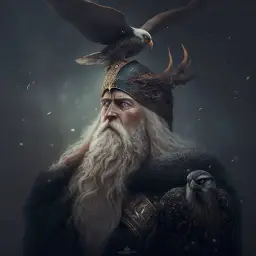
Odin Norse mythology
Father of the Norse gods, associated with wisdom, war and poetry.
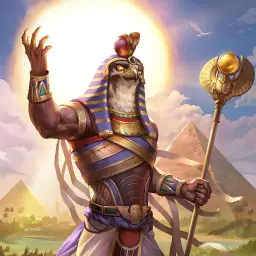
Ra Egyptian mythology
Sun god, one of the principal deities of the Egyptian pantheon.
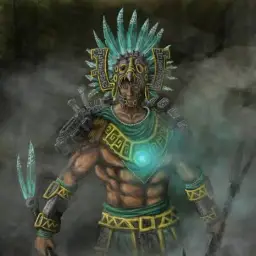
Quetzalcoatl Mesoamerican mythology (Aztec/Toltec)
The "feathered serpent", god of wisdom, wind and life.
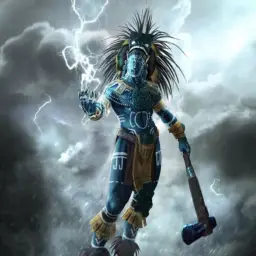
Tlaloc Mesoamerican mythology (Aztec)
God of rain and fertility among the peoples of ancient Mexico.
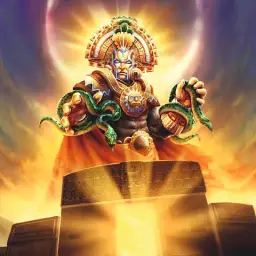
Inti Inca religion
Sun god, the principal deity of the Inca Empire.
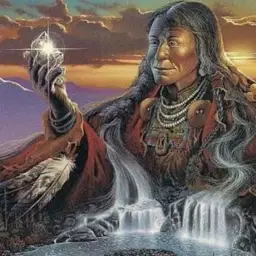
Pachamama Andean religion
Goddess of the earth and fertility, deeply venerated throughout the Andean region.
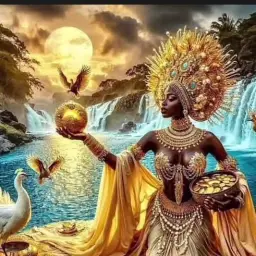
Oshun Yoruba religion
Orisha of love, beauty and rivers, also deeply venerated in the Americas.
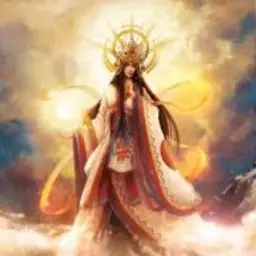
Amaterasu Shinto
Sun goddess, considered the divine ancestor of the Japanese imperial family.
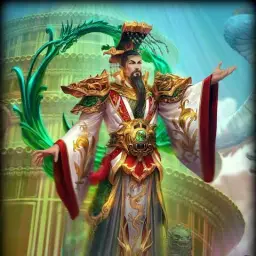
Jade Emperor Taoism and Chinese folk religion
Supreme ruler of heaven in Taoist tradition and Chinese folk religion.
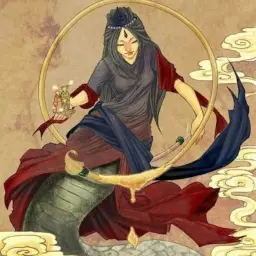
Nuwa Chinese mythology
Creator goddess who, according to legend, shaped humanity out of clay.
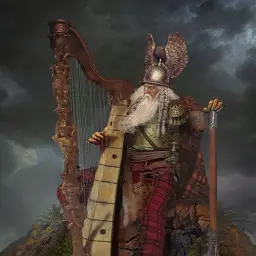
The Dagda Celtic mythology
Father god of the Irish Celts, associated with abundance and wisdom.
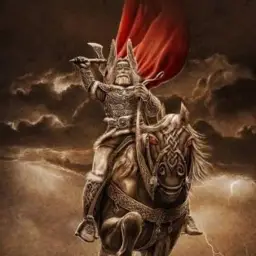
Perun Slavic mythology
God of thunder and war in the mythology of the Slavic peoples.
A catalogue for cultural, educational and personal-reflection purposes: it does not represent, nor does it intend to represent, any religious institution.
Dream Bank is a self-logging tool with a methodical spirit: it helps you organize and explore your own dreams. It is not a clinical study and offers no professional interpretation; the accounts are subjective.
Yes. Your account is personal, the session is protected, there is no advertising or data selling, and only you see your map and graph. You can download everything as JSON or delete your account whenever you want.
Yes. Signing up and using every feature is free.
Yes. From "My data" you can download a full JSON copy and delete your account, which removes your dreams, people and links.
Yes. In "People" you register the ones you care about with their relationship, and the family tree shows them organized by branches, with occupation, birth place and image export; they also appear in the graph and on the map.